
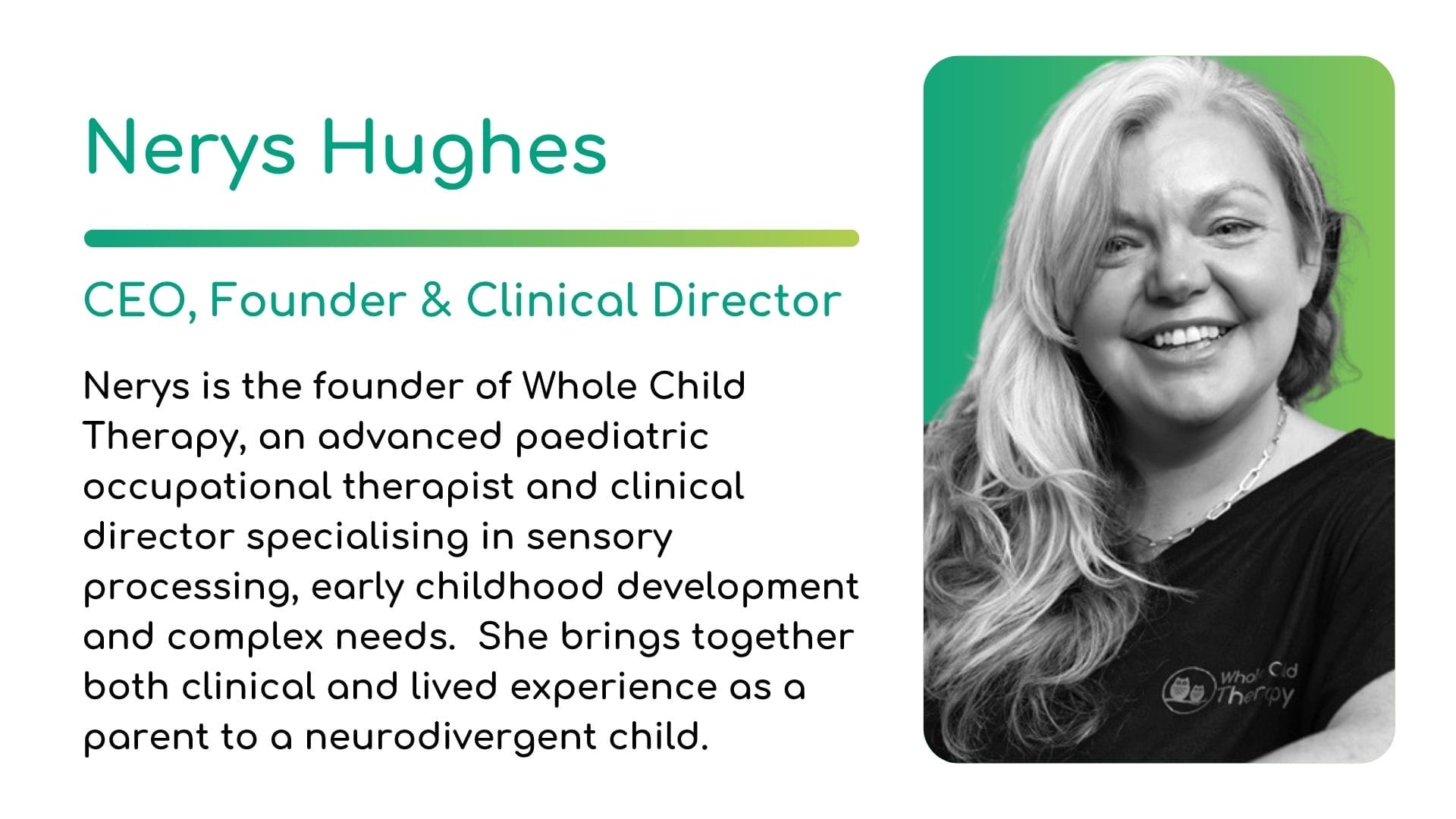
Self-harm is common among children and young people who have experienced trauma, as well as those who are neurodivergent and experience intense emotions, communication barriers or chronic sensory overwhelm. Sensory processing differences can increase distress and make it harder for young people to express their needs before reaching crisis.
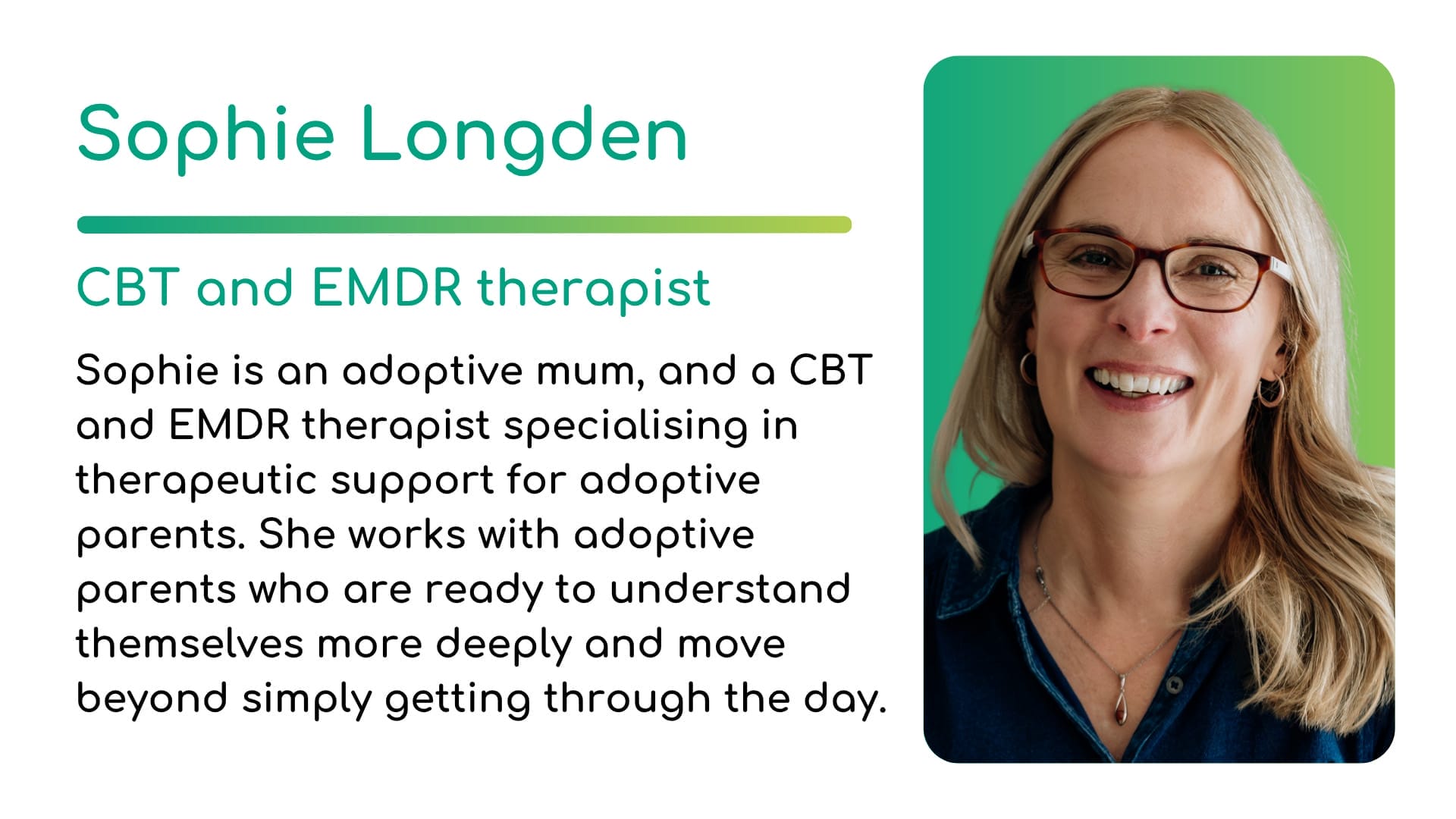
This webinar gives the chance for a pause, a reflect, and maybe the beginnings of understanding where you are right now. You don’t need to find all the answers. Just come with a willingness to be curious about your own wellbeing, and to give yourself an hour.
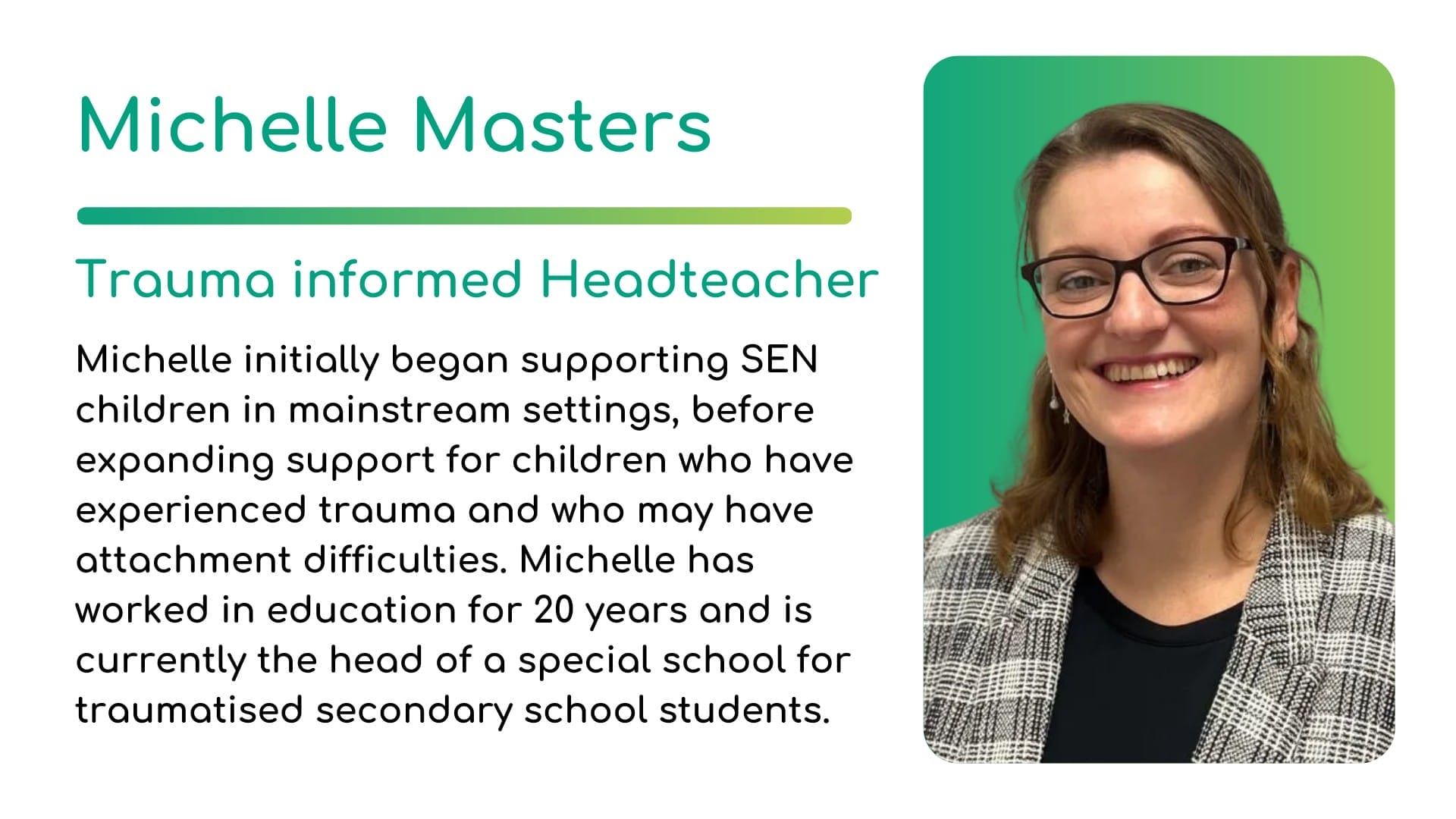
Join Michelle Masters for a Q&A session on Emotionally Based School Avoidance (EBSA). Michelle is the headteacher of an alternative education provision and the host of our recent EBSA podcast series.
Helping a child move from foster care to their adoptive family is one of the most meaningful—and emotionally significant—parts of a foster carer’s role.
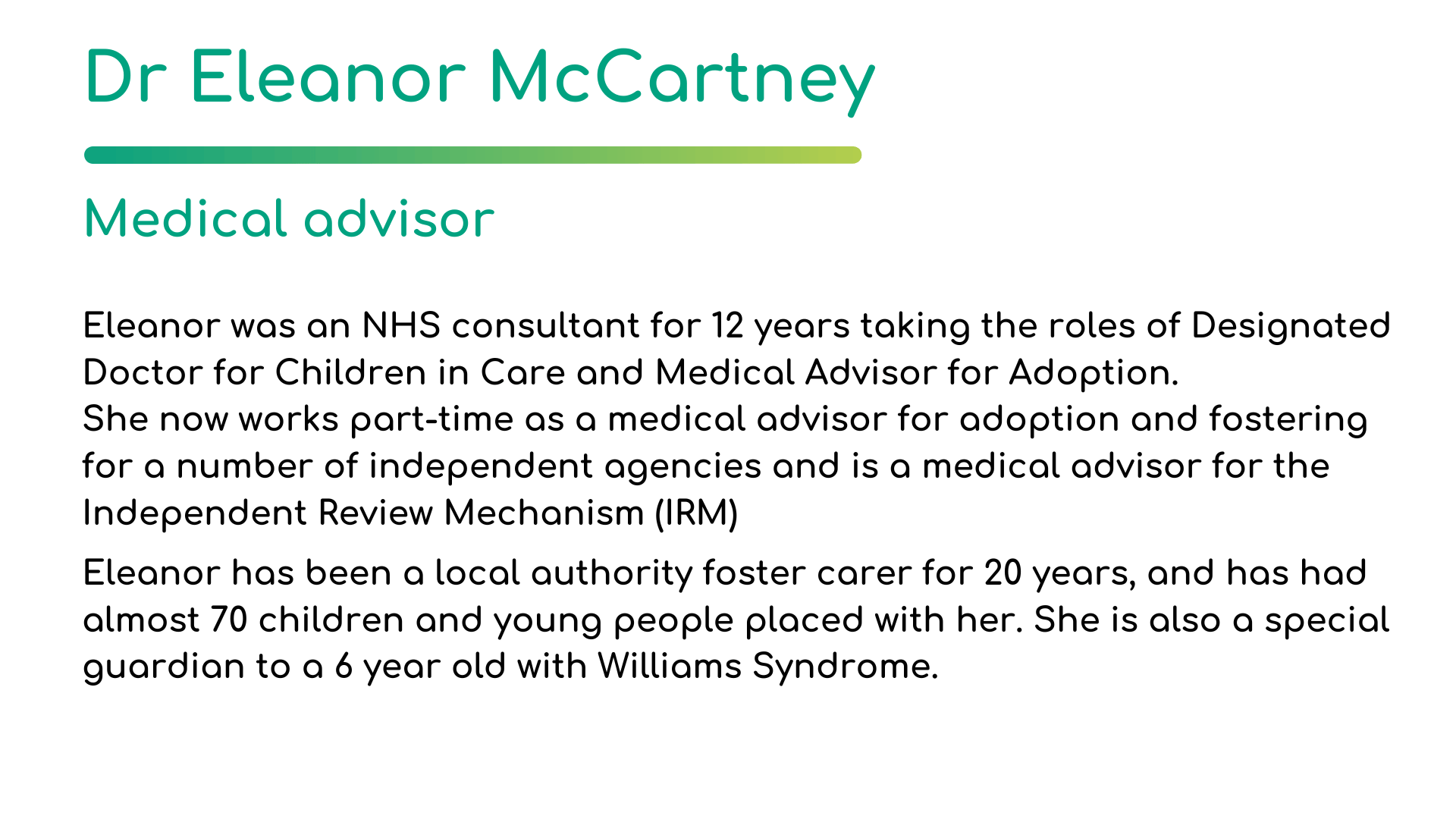
Premature birth can have profound and lasting effects on babies and their families. In this webinar, Dr Eleanor McCartney explores what prematurity really means.

In the final episode of our Introduction to Emotionally Based School Avoidance (EBSA) podcast series, Michelle looks at practical strategies that teachers and senior leadership can implement for children who have completely or partially withdrawn from school.

In this webinar Ruth Copson explores birth families experience of care proceedings and adoption.
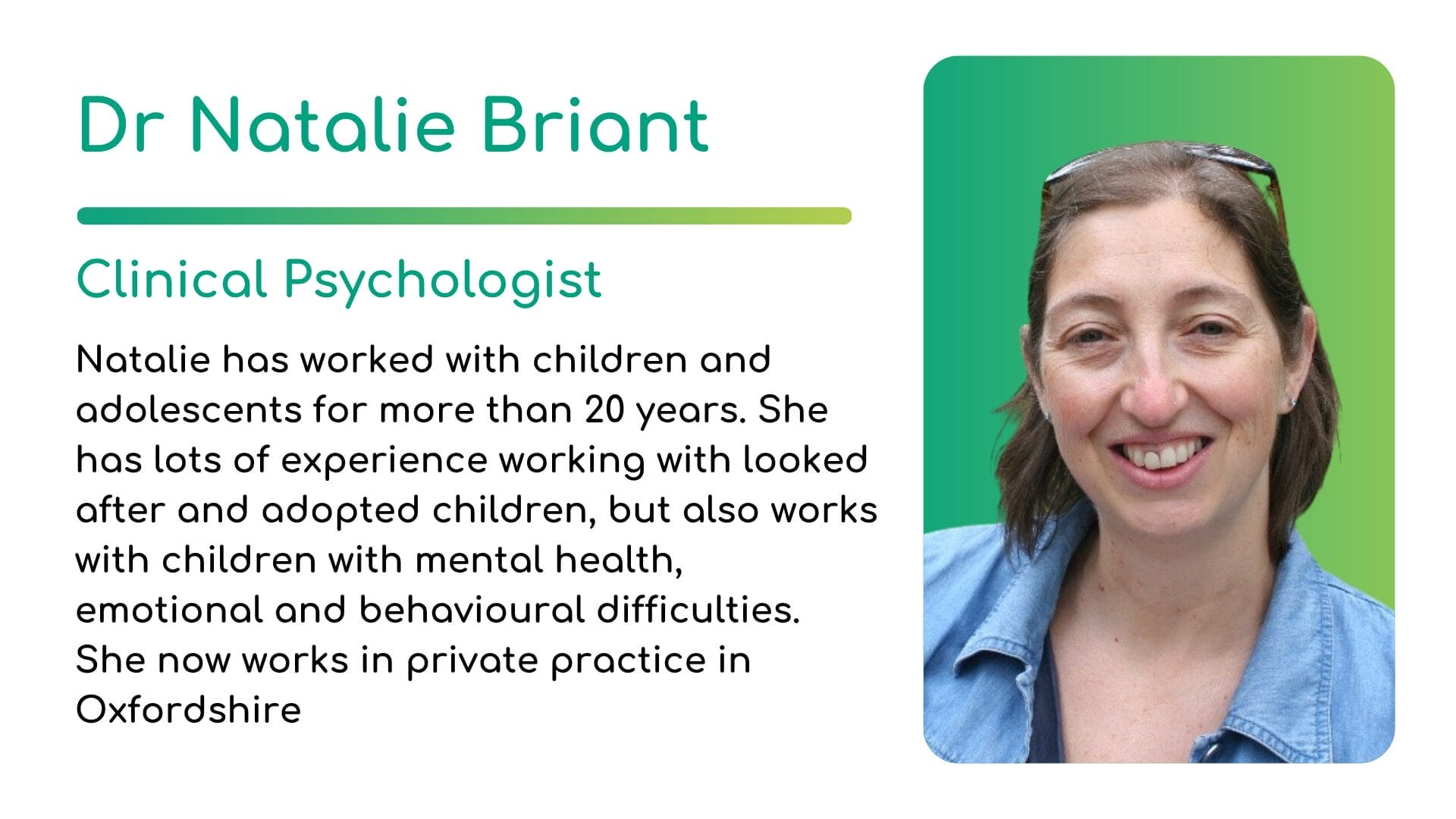
Many of the children who move into foster and adoptive families have experienced trauma. Each child may present that trauma in different ways, some of which can be harder to spot.
In episode 4 of our Introduction to Emotionally Based School Avoidance (EBSA) podcast series, Michelle looks at practical strategies for parents and carers for children who have completely or partially withdrawn from school.